
Water Treatment and Water Hygiene Guides
Practical guides to chlorination certificates, Legionella risk assessments, water sampling and cold water storage tank maintenance, written by the team that carries out the work across London.
- 23 guides grouped by service: chlorination and certificates, Legionella and ACOP L8, water tanks and water hygiene
- Written around the published standards the work is judged against, including BS8558, ACOP L8 and HSG274
- Practical detail on what happens on site, what you receive at the end and what the timescales look like
Most water hygiene questions arrive in the same shape. Somebody has been asked for a certificate they have never heard of, or told an assessment is overdue, or handed a laboratory result they cannot read. The guides below answer those questions directly, so you can find the one that matches your situation instead of ringing round for it.
They are grouped by the service they belong to, and each one is written to be read on its own. Where a guide gives a temperature, an interval or a standard, it is setting out what the published guidance says. That is not the same as a judgement about your building, which needs somebody to look at the system itself.
Chlorination and certificates
Disinfection and certification of mains supplies, new pipework, potable water systems and stored water, plus the paperwork that proves the work was done properly.
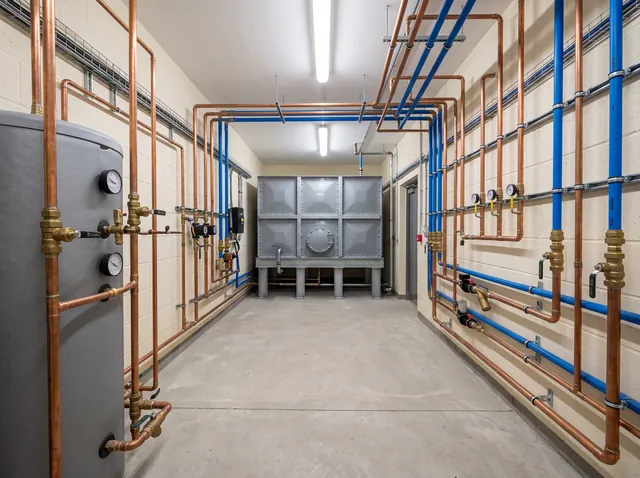
Chlorination is what turns a newly installed or recently opened water system into one that can be signed off and put into use. These six guides cover the method, the laboratory sampling that sits behind it, and the certificate that Thames Water and other undertakers ask to see before a connection is approved. Our chlorination services page explains how we deliver the work itself.
-
Chlorination Certificates: What They Are and When You Need One
What a chlorination certificate records, who asks to see one, and how the disinfection and sampling behind it produce a document that stands up.
Read the guide -
Mains Chlorination in London and What Thames Water Requires
New pipework has to be chlorinated, flushed and certified before a connection is approved. What that means for a programme on site in London.
Read the guide -
Chlorination Services in Brentford
Who needs chlorination locally, what leaving it late costs you in delay, and how to book disinfection and certification in Brentford.
Read the guide -
Mains Water Chlorination in Brentford
The supply pipe itself. Dose calculation, contact time, neutralisation, flushing back to background quality and the sample that closes it out.
Read the guide -
New Water System Chlorination in Brentford
Commissioning a brand new installation. Pre commission cleaning, flushing, disinfection to BS8558 and the handover paperwork a developer needs.
Read the guide -
Potable Water Chlorination in Brentford
Drinking water systems in care homes, schools and food premises, and how the Water Supply (Water Fittings) Regulations 1999 apply to them.
Read the guide
Legionella and ACOP L8
Where the legal duty comes from, what a risk assessment covers, what testing tells you, and the points in the year when risk in a building climbs.
There is no single Act called the Legionella Regulations. The duty comes from the Health and Safety at Work etc. Act 1974 and the Control of Substances Hazardous to Health Regulations 2002, with practical advice in the HSE Approved Code of Practice L8, fourth edition 2013, and technical detail in HSG274. These eight guides turn that into what a duty holder actually has to do. Our Legionella services page covers assessment, testing, control and remedial work.
-
What Is a Legionella Risk Assessment and Who Needs One?
A plain explanation of what an assessment covers, who is required to hold one, how often it is reviewed and what happens once you have it.
Read the guide -
Is a Legionella Risk Assessment a Legal Requirement?
Where the obligation actually sits in law, who counts as the duty holder, and what a court is entitled to make of an assessment that was never done.
Read the guide -
Legionella Risk Assessments: A Practical Guide for Landlords
What a landlord has to do about Legionella in a rented property, the temperatures worth checking, and the point at which a specialist is needed.
Read the guide -
How Much Does a Legionella Risk Assessment Cost?
What drives the price of an assessment, what a compliant one should include, and how to compare two quotes that look very different on paper.
Read the guide -
Legionella Risk Assessment Services in Brentford
Assessments for landlords, offices, schools and care settings in Brentford and west London, with sampling where the system calls for it.
Read the guide -
Legionella Testing and Water Sampling in London
How samples are taken and analysed, what a result in colony forming units per litre means, and the HSG274 action levels that decide what happens next.
Read the guide -
ACOP L8 Compliance: A Guide for Building Managers
What the Approved Code of Practice asks of a duty holder, the records that have to be kept, and the gaps found most often in commercial buildings.
Read the guide -
Summer Legionella Risk: What Businesses Need to Do Now
Warm weather pushes stored and distributed water towards the range Legionella prefers. Four checks worth making before the risk peaks.
Read the guide
Water tanks and water hygiene
Stored water, cleaning and inspection schedules, disinfection, and the wider hygiene programmes that keep a building's water systems in order all year.
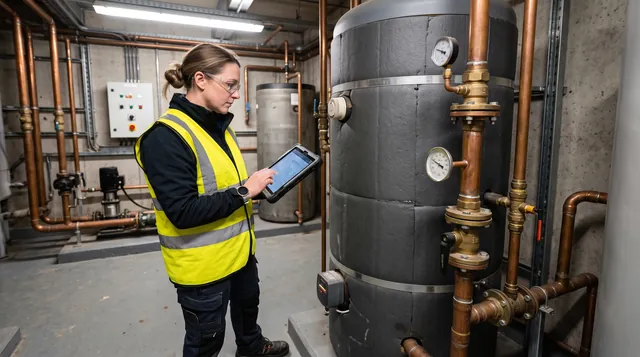
Stored cold water is where a lot of building problems begin. It warms up, it sits still, and it collects sediment and debris that give bacteria something to live on. These nine guides cover how tanks are cleaned, disinfected and inspected, when replacement becomes the sensible answer, and what a broader water hygiene programme includes. Our water tank services page explains the work we carry out.
-
Legionella Risk in Vacant Properties Over Winter
An empty building can carry more risk than an occupied one. What to flush, check and record before winter and again before reletting.
Read the guide -
Water Tank Disinfection: What It Is and When You Need It
How disinfection differs from a clean, when it is required, how the chlorination process runs and what documentation you are left holding.
Read the guide -
Cold Water Storage Tank Cleaning in Brentford
Cleaning and disinfection of stored water locally, carried out to ACOP L8 and BS8558, with post clean sampling and a disinfection certificate.
Read the guide -
Water Tank Inspection Services and the Christmas Shutdown
What an inspection actually checks, and why a building standing empty over a shutdown is the period in which stored water deteriorates fastest.
Read the guide -
Spring Water Tank Cleaning in London: Why April Matters
Ambient temperatures start lifting stored water towards the Legionella range in spring, which makes April the sensible window to clean and inspect.
Read the guide -
Water Hygiene Audits and the Case for Regular Tank Cleaning
What an audit covers, how it differs from a tank clean, and the compliance, safety and cost arguments for putting both on a fixed schedule.
Read the guide -
Commercial Water Hygiene Services in Brentford and London
The ongoing programme behind a compliant commercial building: risk assessment, sampling, tank cleaning, chlorination and temperature control work.
Read the guide -
Water Hygiene Services Explained
What the term actually covers, the law that makes it necessary, who needs it, and how to compare water hygiene companies in London.
Read the guide -
What Is Water Treatment?
A plain English definition, how drinking water and waste water are treated, and which parts of it a building in the UK actually needs.
Read the guide
Need help with a specific system
A guide can tell you what the standard says. It cannot tell you what your tank, your pipework or your risk assessment needs. Tell us the property, the system and the date any certificate is due, and contact our team for an answer on your own building. Call 020 4532 7773 or email info@londonwatertreatment.com.